
India’s heat, humidity and everyday exposure to moisture, sweat and pollutants can make some jewellery lose its shine faster over time. That is why choosing well-finished, tarnish-resistant jewellery—and caring for it properly—can make a noticeable difference to how long your pieces retain their appearance.
Anti-tarnish gold bracelets is designed with materials or protective finishes that help reduce discoloration and surface dulling caused by everyday exposure. Understanding how these finishes work can help you choose jewellery that better suits regular wear and India’s varied climate.
Today, advanced coatings protect your jewelry from environmental harm. By picking these special items, you keep your collection beautiful for years. This guide will show you how to choose the best for your wardrobe.
Key Takeaways
- High humidity in India accelerates metal oxidation significantly.
- Protective finishes act as a barrier to keep metals shiny.
- Quality manufacturing extends the lifespan of your favorite accessories.
- Investing in durable pieces saves money on frequent replacements.
- Proper care combined with modern technology maintains long-term luster.
Understanding the Science Behind Anti Tarnish Jewellery
Keeping your jewelry looking good is all about knowing how metals react. Anti tarnish jewelry is treated to fight off these reactions. By understanding how the environment affects your jewelry, you can keep it looking new.
Why Metals Tarnish in the Indian Climate
The Indian weather is tough on jewelry because of the humidity and heat. Moisture in the air makes metals like silver and copper break down faster. Coastal areas have even more problems because of the salt in the air.
Several things make metals tarnish quickly in this climate:
- High Humidity: Water vapor in the air helps chemical reactions happen on metal surfaces.
- Sulfur Exposure: Pollution and industrial emissions contain sulfur that reacts badly with metals.
- Temperature Fluctuations: Changes in temperature cause metals to expand and contract, making them more vulnerable to pollutants.
The Role of Oxidation and Sulfidation
Tarnishing comes from two main chemical reactions: oxidation and sulfidation. Oxidation happens when metal atoms react with oxygen. Sulfidation occurs when sulfur compounds bond with the metal. Both reactions create a dull layer that covers up the shine of your anti tarnish jewelry.
Oxidation is common, but sulfidation is the main cause of the dark film on silver. This film is not just a stain; it’s a chemical change in the metal. Knowing this helps you choose anti tarnish jewelry that lasts longer.
How Anti Tarnish Coating Works
Modern anti tarnish jewelry uses advanced technology to keep its shine. It has protective layers that keep your jewelry looking great. These layers protect the metal from damage caused by the environment.
Physical Barrier Methods
Physical barriers work by creating a shield around the metal. This anti tarnish coating stops moisture, oxygen, and sulfur from reaching it. Without these, the metal doesn’t tarnish.
These barriers are thin, clear films or special lacquer. They’re tough but flexible for everyday wear. When applied right, they keep your jewelry looking new.
Chemical Passivation Processes
Chemical passivation changes the metal’s surface at a molecular level. It treats the jewelry with special solutions. This makes the metal less likely to react with the environment.
This method is great for high-end anti tarnish jewelry. It creates a protective layer that’s part of the metal. This innovative approach offers top-notch protection, keeping your jewelry bright for years.
Key Benefits of Investing in Tarnish Resistant Jewelry
Choosing tarnish resistant jewelry is a wise move for anyone wanting a lasting collection. These pieces stay beautiful for years, thanks to protective treatments. They shield your investment from damage caused by humidity and air.
Longevity and Aesthetic Appeal
These items keep their pristine appearance for a long time. Unlike untreated metals, they don’t lose their shine quickly. You can wear your favorite pieces, knowing they’ll stay vibrant.
They are durable, so your collection is always ready for any event. Long-term aesthetic appeal shows quality craftsmanship. Treated metals prevent the dull look that standard jewelry often gets in humid places.
Reducing Maintenance Frequency
Tarnish resistant jewelry means less cleaning time. You won’t spend hours polishing or worrying about losing the finish. This lets you enjoy your style without worrying about upkeep.
Also, you’ll save money on professional cleaning services. Minimal maintenance is great for those with busy lives. These pieces are a reliable part of your wardrobe for years.
Step-by-Step Guide to Choosing Anti Tarnish Jewellery
Starting your collection means knowing how to pick the best. When you buy anti tarnish jewellery, you’re getting quality metal and protection. Checking your purchase carefully can prevent future maintenance issues.
Checking Material and Product Information
When shopping for anti-tarnish gold bracelets, look for clear information about the base metal, plating or finishing method, colour, care instructions and product warranty. Reputable sellers should clearly explain what the jewellery is made from rather than relying only on broad terms such as “premium” or “anti-tarnish.”
For stainless-steel jewellery, details such as the stainless-steel grade and type of gold finish can help you better understand the product. For example, Soul Touch Jewellery uses 316L stainless steel with an 18K PVD gold finish across its gold-finish bracelet collection.
“Quality is never an accident; it is always the result of high intention, sincere effort, intelligent direction and skillful execution.”
Also, check for a certificate of authenticity. Good jewelers will tell you if their items have an anti tarnish coating. This proof ensures the piece is treated to resist damage.
Evaluating the Type of Protective Layer
Not all protective layers are the same. Knowing the difference is key for your investment. Think about how you’ll wear the piece and its exposure to moisture or oils.
Electroplating vs. Lacquer Coatings
Electroplating adds a thin layer of precious metal, like rhodium, to the base metal. It gives a durable, shiny finish. Lacquer coatings, on the other hand, are clear, synthetic films applied to the surface.
- Electroplating: Offers a premium, metallic look and superior durability.
- Lacquer: Provides a cost-effective barrier but may peel or yellow over time.
PVD Coating Advantages
Physical Vapor Deposition (PVD) is a coating process used to create a thin, bonded finish on metal surfaces. When applied well, PVD coatings can offer good wear resistance and help maintain a polished appearance during regular use. However, no surface coating is completely scratch-proof or permanent, and its longevity depends on factors such as coating quality, friction, chemical exposure and everyday care.
| Feature | Electroplating | PVD Coating |
|---|---|---|
| Water Resistance | Varies by plating quality and thickness | Generally good when properly applied |
| Scratch Resistance | Can wear at high-contact areas | More wear-resistant, but not scratch-proof |
| Finish Quality | Metallic decorative finish | Thin, bonded decorative finish |
Common Anti Tarnish Methods Used by Jewelers
Investing in fine accessories means you want them to shine for a long time. Jewelers use anti tarnish methods to keep your pieces looking great. These methods protect against the elements that can dull or discolor your jewelry.
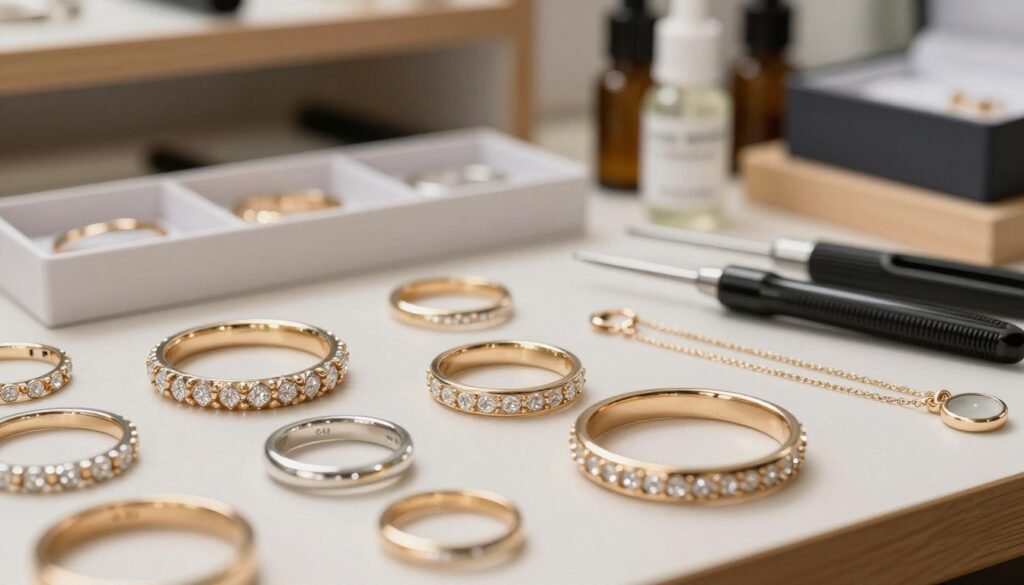
Rhodium Plating Techniques
Rhodium plating is a top choice for white gold and silver anti tarnish jewellery. It involves electroplating a thin layer of rhodium, a rare metal, over the base. This creates a bright, reflective finish that resists scratches and oxidation well.
Choosing rhodium-plated items offers many benefits:
- Enhanced durability against daily wear and tear.
- A brilliant, mirror-like shine that mimics platinum.
- Reduced sensitivity for those with metal allergies.
Clear Polymer Protective Films
Clear polymer coatings are another effective method. These films act as an invisible barrier, sealing the metal from moisture and sulfur in the air. They are transparent, so they don’t change the look of your jewelry.
These anti tarnish methods are great for intricate designs where plating is hard. The polymer layer is lightweight and flexible, making your jewelry comfortable to wear. Consistent maintenance of these coatings can make your jewelry last longer, keeping it looking new for years.
How to Keep Jewelry from Tarnishing at Home
Keeping your accessories shiny in India’s humid climate is key. Even top-notch anti tarnish jewelry needs your help to stay bright. By controlling your environment, you can slow down your jewelry’s aging.
Proper Storage Techniques in Humid Environments
Humidity harms your jewelry, speeding up chemical reactions. Don’t store your pieces in humid places like bathrooms or near kitchens. Instead, pick a cool, dry spot like a bedroom drawer or a jewelry box.
For the best results, use airtight containers or zip-lock bags. Removing air from these bags helps prevent tarnish on jewelry. This barrier stops moisture and pollutants from touching your jewelry.
Using Anti Tarnish Strips and Tabs
For extra protection, try anti-tarnish strips. These small tabs absorb harmful gases from the air. They’re a must-have for keeping your jewelry looking new.
Just put a few strips in your jewelry box or bag. Consistency is key. Replace them every six months to keep them working well. With these habits, your jewelry will stay bright and beautiful.
Effective Anti Tarnish Solution Options for Your Collection
Keeping your jewelry from tarnishing is easy with the right tools and care. A consistent routine can protect your precious metals from India’s humid climate and pollutants. The right products will keep your collection shining like new.
Professional Cleaning Solutions
Before using any commercial jewellery cleaner, check that it is specifically suitable for the jewellery’s base metal, plating and finish. When in doubt, gentle cleaning with mild soap, lukewarm water and a soft cloth is the safer option for plated or PVD-finished pieces.
DIY Maintenance Tips for Daily Wear
For everyday care, gently wipe jewellery with a soft, dry microfiber or lint-free cloth after wear to remove surface oils, sweat and moisture. If deeper cleaning is needed, use a small amount of mild soap with lukewarm water, then rinse gently and dry thoroughly before storing.
Avoid abrasive polishing cloths, jewellery polish, bleach, strong household cleaners and harsh chemical solutions on plated or PVD-finished jewellery, as these may damage or dull the surface finish over time.
Identifying Quality Anti Tarnish Products in the Market
Your investment in tarnish resistant jewelry deserves the best care products. Choosing the right solutions keeps your pieces shining for years. Learning to pick the right products helps protect your collection.
What to Look for on Product Labels
When looking for anti tarnish products, focus on labels that mention the metal type. Good cleaners are pH-neutral, which is gentle on jewelry. They should remove oxidation without harming protective coatings.
Make sure the product is non-abrasive. Abrasive cleaners can scratch your jewelry, making it more likely to tarnish. Quality brands will list their ingredients and give safe use instructions for different metals.
Avoiding Harmful Chemicals
Stay away from harsh chemicals that can harm your jewelry. Household cleaners often have substances that don’t mix well with silver or gold. Avoid products with a lot of ammonia, bleach, or strong acids.
These chemicals can quickly discolor or weaken your tarnish resistant jewelry. Always test a small area before using a new product. The right anti tarnish products will keep your jewelry looking new without harming it.
| Ingredient Type | Effect on Jewelry | Recommendation |
|---|---|---|
| Mild Surfactants | Cleans surface oils | Safe for regular use |
| Ammonia | Corrosive to plating | Avoid completely |
| Natural Oils | Provides a protective barrier | Highly recommended |
| Bleach | Causes permanent pitting | Never use |
Professional Anti Tarnish Treatment Services
When your favorite pieces start to lose their shine, it’s time to call a pro. Using anti tarnish products at home can help, but some damage needs a skilled jeweler’s touch. Experts can remove deep oxidation that home cleaning can’t.
When to Seek Expert Help
Visit a professional if your jewelry shows signs of wear that DIY can’t fix. If you see the base metal through your gold or silver plating, it’s time for a pro anti tarnish treatment. Ignoring these signs can cause permanent damage or corrosion.
Look for these signs that your jewelry needs expert care:
- The surface looks dull, even after regular cleaning with a mild anti tarnish solution.
- Dark, stubborn spots don’t fade with gentle polishing.
- The protective layer has peeled or worn away in high-friction areas.
- There are intricate designs where tarnish has trapped in deep crevices.
The Cost-Benefit Analysis of Professional Re-plating
Deciding on professional re-plating depends on the item’s value. While it costs upfront, it’s often cheaper than buying a new piece. A pro anti tarnish treatment brings your item back to its original state, extending its life.
Here’s a comparison to help you decide on professional restoration:
| Factor | DIY Cleaning | Professional Re-plating |
|---|---|---|
| Cost | Low | Moderate to High |
| Longevity | Short-term | Long-term |
| Restoration Level | Surface only | Deep renewal |
| Risk of Damage | Moderate | Minimal |
Choosing professional services means your jewelry gets the right anti tarnish solution for its metal. This investment protects your collection and keeps your pieces looking new for years. Professional care is a wise choice for preserving your jewelry’s beauty and value.
Conclusion
Keeping your precious metals safe is a mix of good habits and the right products. You now know how to pick the best anti tarnish methods for your life and where you live.
Looking after your jewelry every day is key to avoiding tarnish. Simple steps like cleaning it after each use and storing it in sealed containers can greatly extend its life.
If your jewelry looks like it’s lost its shine, think about getting a professional treatment. Places like Tanishq or Kalyan Jewellers have experts who can make your gold and silver sparkle again.
Your jewelry is more than just something pretty; it’s also an investment. By following these care tips, you’ll keep your pieces looking great for a long time. Begin these steps today to keep your jewelry shining for years to come.
Explore Soul Touch Jewellery’s gold chain and link bracelets designed for modern working women.